
Comparisons
BuildShip vs Xano: Pricing, Features, and Use Cases for 2026
Buildship vs Xano: compare AI workflow capabilities, backend flexibility, pricing, and use cases to pick the right automation backend for your stack.
Himanshu Sharma ·
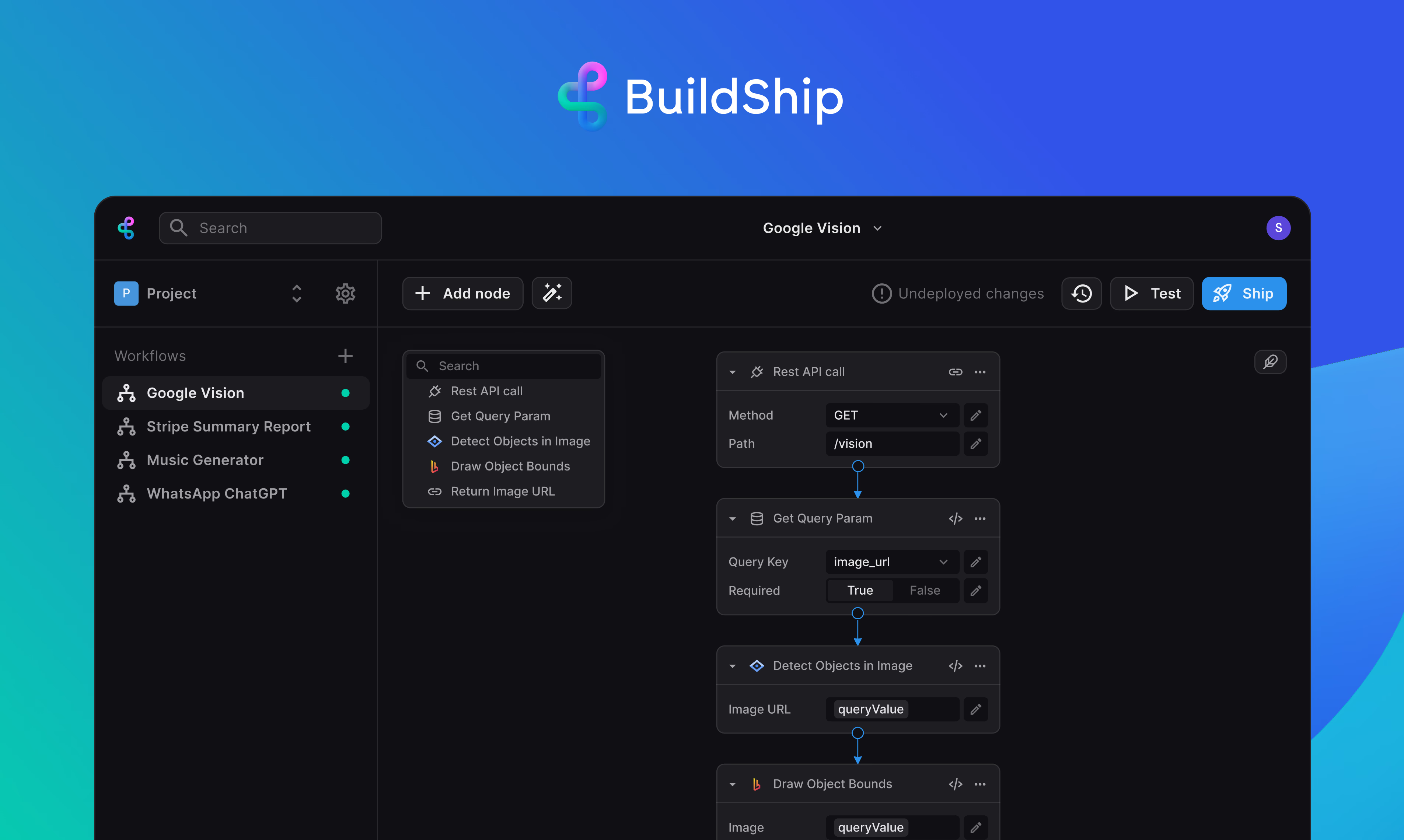
BuildShip is misunderstood as a backend replacement.
The hype around BuildShip has people believing it can replace backends built with Xano or Supabase.
But that’s not true. And it’s skewing client expectations wildly.
BuildShip has its strengths, but it’s not a substitute for a backend.
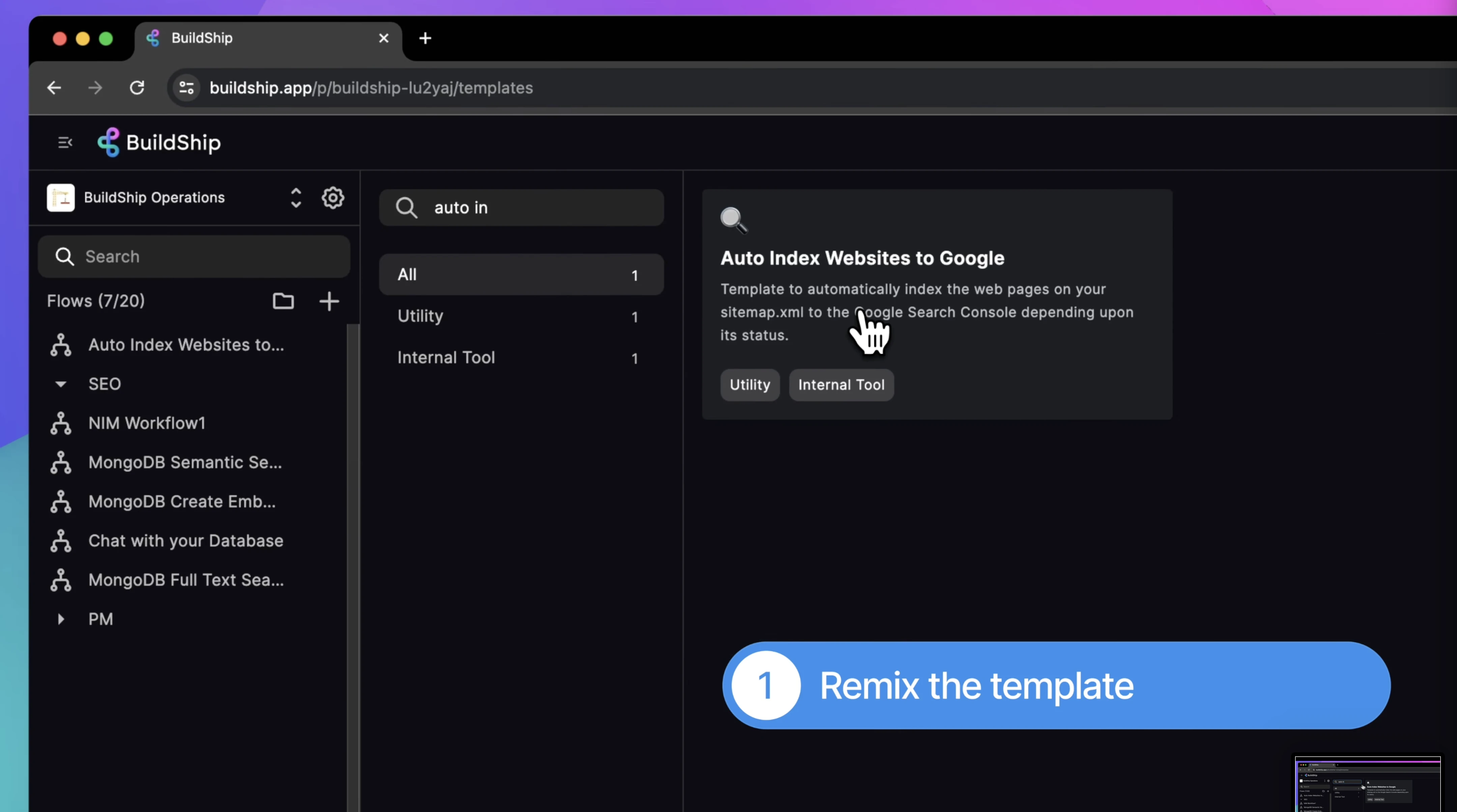
Yes, BuildShip’s workflows and AI nodes can sometimes speed up development and automate simple tasks. It’s useful.
However, BuildShip, Make, and n8n are workflow automation tools for asynchronous tasks.
I’ve mostly seen simple demos and automation, not complex backend logic. A secure, scalable backend demands much more.
The differences are obvious when comparing BuildShip to Xano or Supabase.
You’re not building the same depth of system. The complex backend logic you can’t avoid takes the longest anyway.
BuildShip’s built-in database still requires adjustments to pre-built templates. Modifying these templates for your database structure, payload, and output can take longer than on Xano or Supabase.
BuildShip has its uses, but it is not a replacement for a backend. People need to dial back and see it’s a 20% improvement for specific tasks, not an 80% backend overhaul.
Continue reading
Buildship vs Xano: compare AI workflow capabilities, backend flexibility, pricing, and use cases to pick the right automation backend for your stack.
WeWeb vs Bubble in 2026: compare design flexibility, backend options, performance, pricing, and vendor lock-in. Find the right platform for your next project.
Compare Bubble and Webflow for UI control, CMS workflows, SEO, and build speed to choose the right platform for your product.